Latest Car News in India: New Launches, Updates and Prices
India’s automobile market is in one of its most active periods.
New SUVs, electric vehicles, hybrids, face lifts and premium cars are arriving throughout 2026.
Moreover, this reflects the latest car news in India for buyers.
Additionally, the biggest developments are no longer limited to traditional petrol and diesel models.
CNG, hybrid and electric cars are gaining importance.
Manufacturers are adding advanced safety technology, larger screens, connected features and more efficient power trains across price segments.
The latest market data also points to a major change in consumer preferences. In July 2026, alternative-fuel passenger vehicles—including CNG, hybrids and EVs—accounted for 40.59% of India’s passenger-vehicle retail market, compared with 41.68% for petrol cars, according to data reported by FADA and Reuters. Overall passenger-vehicle sales increased 19.1% year over year in July.
At the same time, manufacturers are continuing to launch new models and update existing ones. Recent launches and updates include models from Maruti Suzuki, Tata Motors, Mahindra, Hyundai, Kia, Toyota, Honda, Renault, Nissan, Skoda, Mercedes-Benz, BMW and other major brands.
For buyers planning to purchase a new car, keeping track of launch dates, expected prices, specifications, discounts and technology updates can make a significant difference.
Latest Car News in India: What’s Happening Right Now?
The Indian car market is seeing strong activity across almost every major segment. Compact SUVs remain important for mass-market manufacturers, while electric SUVs and premium vehicles are expanding rapidly.
Recent launch activity illustrates the diversity of the market.
July 2026 saw new or updated models.
They include Renault Kwid, Nissan Tekton, and Lexus ES 350h.
Additionally, the lineup includes Kia Syros eva, Mercedes-Benz AMG E53 PHEV, Maruti Suzuki Brezza, Honda ZR-V, and Toyota Hilux.
According to current new-car launch listings, these are the models being released.
This means buyers have more choices than ever, particularly if they are willing to consider different power train technologies.
The market is also moving beyond simple price competition, according to latest car news in India. Manufacturers are increasingly competing on:
- ADAS and active safety
- Larger infotainment displays
- Connected-car technology
- Panoramic sunroofs
- Premium interiors
- Hybrid technology
- Electric driving range
- Faster charging
- CNG efficiency
- Automatic transmissions
- Improved crash protection
These features, once restricted largely to expensive vehicles, are gradually becoming available in more affordable segments.
New Car Launches in India
One of the biggest stories in India’s automobile industry is the continuing flow of new models.
Manufacturers are using new launches to enter growing segments, replace older products and respond to changing consumer expectations. Some launches are completely new nameplates, while others are face lifts or major-generation updates.
The current 2026 new-car market includes products across hatchbacks, sedans, SUVs, mp-vs, electric cars and luxury vehicles.
Recent launch listings show that dozens of new cars have entered the Indian market during the year, with prices ranging from affordable hatchbacks to premium vehicles costing several crones.
Among the notable recent models are:
| Car | Segment | Indicative Ex-Showroom Price |
|---|---|---|
| Renault Kwid | Hatchback | ₹5.97 lakh onwards |
| Nissan Tekton | SUV | ₹11.92 lakh onwards |
| Kia Syros EV | Electric SUV | ₹14.33 lakh onwards |
| Maruti Suzuki Brezza | SUV | ₹8.37 lakh onwards |
| Toyota Hilux | Pickup | ₹37.92 lakh onwards |
| Honda ZR-V | SUV | ₹54.86 lakh onwards |
| Lexus ES 350h | Luxury Hybrid Sedan | ₹75.35 lakh onwards |
| Mercedes-AMG E53 PHEV | Performance Hybrid | ₹1.65 crore onwards |
Prices can vary by variant, location, taxes, insurance, registration and dealer charges, so buyers should always confirm the latest on-road price before booking.
Upcoming Cars in India
The upcoming-car pipeline remains particularly strong.
Current industry listings indicate that manufacturers have several launches planned for the coming months, including updated SUVs, sedans, EVs and premium models. Autocar India’s current upcoming-car database lists dozens of vehicles expected in the Indian market during 2026.
Among the models currently attracting attention are the Maruti Suzuki XL6 facelift, Skoda Slavia facelift, Mahindra Thar facelift and Mahindra Scorpio N facelift.
The expected prices and dates of upcoming vehicles should be treated as estimates until the manufacturer officially announces them.
This is especially important because Indian car launches can be rescheduled due to production planning, homologation, supply-chain requirements or market conditions.
Maruti Suzuki Car News and Updates
Maruti Suzuki continues to be one of the most important companies in India’s passenger-vehicle market.
The company has been expanding beyond traditional small cars and hatchbacks while continuing to focus heavily on CNG and fuel-efficient models. Its SUV portfolio has also become increasingly important.
The Brezza received an update in July 2026, while the company continues to work on expanding its product portfolio.
Another important trend is the increasing popularity of CNG. Maruti has a particularly extensive CNG portfolio, allowing it to target buyers who prioritize lower running costs.
Recent market developments suggest that CNG demand is spreading beyond entry-level buyers into additional vehicle segments, highlighting how operating costs remain a major factor for Indian consumers.
Tata Motors Car News
Tata Motors remains one of India’s most closely watched car manufacturers, particularly because of its strong SUV and electric-vehicle portfolio.
The company has continued to invest Tata Motors Car News
Tata Motors remains one of India’s most closely watched car manufacturers, particularly because of its strong SUV and electric-vehicle portfolio.
The company has continued to invest in EVs while maintaining a broad range of petrol, diesel and CNG vehicles.
Tata’s SUV lineup gives buyers options across different price categories, while its electric models are helping the company compete in the rapidly developing eva market.
The company’s new-product strategy is also important because Indian buyers increasingly expect advanced safety features, modern infotainment systems and multiple power train options.
Mahindra Car News and Upcoming SUVs
Mahindra continues to focus heavily on SUVs, one of the fastest-growing areas of the Indian passenger-car market.
The company has built a strong product portfolio around mode, Scorpio-N, XUV700 and newer electric SUVs.
Current upcoming-car listings indicate that Mahindra Thar and Scorpio-N updates are among the models expected to attract attention in 2026. citeturn0search3
Mahindra’s electric strategy is also becoming increasingly significant, with the company positioning its eva products in higher-value SUV categories rather than limiting electrification to small city cars.
Hyundai and Kia Car Updates
Hyundai and Kia remain major players in India’s SUV market.
Both brands have been competing through a combination of styling, technology, automatic transmissions, turbocharged engineinteriors.
Kia is also expanding its eva presence. The Kia Syros eva was listed among the July 2026 launches, with an indicative starting price of ₹14.33 lash in current launch listings. citeturn0search3
For buyers, the growth of electric SUVs is particularly important because EVs are moving beyond premium-only territory.
Toyota, Honda and Japanese Car Updates
Toyota continues to strengthen its position in multiple segments, from mass-market products to premium hybrid vehicles.
The Toyota Hilux was listed as a July 2026 launch at ₹37.92 lash, while Toyota’s broader portfolio from strong consumer interest in hybrids and SUVs. citeturn0search3
Honda is also expanding its portfolio. The Honda ZR-V was listed among recent 2026 launches at ₹54.86 lash. citeturn0search3
These developments show that Japanese manufacturers are continuing to target different parts of India’s growing premium and SUV market.
Electric Car News in India
Electric vehicles are one of the most important developments in India’s automobile industry.
According t data reported by Reuters, EVs accounted for nearly 8% of passenger-vehicle sales, while CNG accounted for about 24%. Alternative-fuel vehicles together approached petrol’s market share. citeturn0news27
Additionally, several factors support eva growth.
- Increasing model availability
- More charging infrastructure
- Better battery technology
- Longer driving ranges
- Growing consumer awareness
- Lower running costs
- Expansion of electric SUVs
- Improvements in charging speeds
However, eva buyers still need to consider charging availability, battery warranty, long-distance travel requirements and resale value before purchasing.
CNG and Hybrid Cars Are Becoming More Important
The Indian market is not moving directly from petrol to EVs.
Instead, consumers are increasingly choosing a combination of CNG, hybrid and electric vehicles depending on their driving requirements.
CNG remains attractive to high-mileage users because fuel costs can be lower than petrol. Hybrids appeal to buyers who want improved efficiency without depending entirely on chargingThe latest July 2026 market data demonstrates how significant this shift has become. Alternative-fuel vehicles reached 40.59% of passenger-vehicle retail sales, just behind petrol at 41.68%. citeturn0news27
For buyers living in areas where public eva charging is limited, a CNG or hybrid vehicle may still offer a practical middle ground.
Car Prices in India: What Buyers Should Watch
Car prices can change several times during a model year.
Manufacturers may revise prices because of:
- Commodity costs
- Currency fluctuations
- Manufacturing expenses
- New taxes or regulatory requirements
- Feature additions
- Variant restructuring
- Prodply-chain conditions
Recent reporting indicates that some Indian automakers have been absorbing part of rising commodity costs instead of immediately passing the full increase to consumers. citeturn0news28
For buyers, this means an announced ex-showroom price should not be confused with the final amount payable.
The on-road price generally includes registration, insurance, applicable taxes and other charges.
Car Discounts and Offers in India
Discounts can make a major difference when purchasing a new car.
Manufacturers and dealers may offer benefits through:
- Cash discounts
- Exchange bonuses
- Corporate discounts
- Loyalty bonuses
- Accessories
- Finance offers
- Extended warranty packages
- Insurance benefits
Discounts are particularly common when a model is approaching a facelift or when dealers need to clear older production stock.
However, buyers should compare the final on-road price rather than focusing only on the headline discount.
A ₹1 lash discount may not necessarily represent the best deal if another dealer offers a lower insurance cost, better exchange value or additional benefits.
Why SUVs Continue to Dominate India’s Car Market
SUVs remain one of the most important categories in India.
Their popularity is driven by several factors, including higher seating positions, road presence, practical cabin space and increasing availability of compact models.
Manufacturers have also made SUVs more accessible by offering smaller models with relatively affordable prices.
The SUV trend is visible across nearly every major manufacturer, from compact urban SUVs to premium three-row models and electric SUVs.
New Automotive Technology to Watch
Modern cars are becoming increasingly software-driven.
Some of the technologies buyers are likely to encounter more frequently include:
ADAS: Advanced Driver Assistance Systems can provide features such as adaptive cruise control, lane assistance and emergency braking.
Connected Cars: Smartphone applications can provide remote vehicle monitoring, location services and other connected functions.
360-Degree Cameras: Multi-camera systems can make parking and maneuvering easier.
Large Touchscreens: Modern vehicles increasingly use large displays for navigation, entertainment and vehicle controls.
Digital Instrument Clusters: Fully digital displays provide configurable information to the driver.
Advanced eva Platforms: New electric architectures are supporting faster charging and longer ranges.
These technologies are gradually moving down from premium vehicles into more affordable segments.
What Indian Car Buyers Should Expect Next
The remainder of 2026 is likely to remain busy for the Indian automobile industry.
Upcoming models are expected across nearly every major segment, including affordable cars, SUVs, EVs, hybrids, premium sedans and luxury vehicles.
Current industry listings already show coming months, including the Skoda Slavia facelift, Mahindra Thar facelift and Mahindra Scorpio-N facelift, while additional EVs and premium models are also in the pipeline. citeturn0search3turn0search4
The biggest areas to watch are likely to be SUVs, EVs, CNG vehicles, hybrids, safety technology and connected-car features.
Frequently Asked Questions
**What are the latest car launches in 26 launches include models such as the Renault Kwid, Nissan Tekton, Kia Syros eva, Maruti Suzuki Brezza, Toyota Hilux and Honda ZR-V. Launch prices vary significantly by segment and variant. citeturn0search3
Which type of car is becoming more popular in India?
SUVs remain extremely popular, while CNG, hybrid and electric vehicles are gaining market share as buyers increasingly focus on running costs and efficiency.
**Are car prices expected to in
Prices can change depending on commodity costs, production expenses, taxation and manufacturer decisions. Some manufacturers have been absorbing part of increased costs to maintain demand. citeturn0news28
Becoming popular in India?
Yes. EVs are steadily increasing their share of passenger-vehicle sales, and July 2026 retail data put electric vehicles at nearly 8% of passenger-vehicle sales. citeturn0news27
Should I buy a car now or wait for a new model?
The decision depends on your requirements. If you need a car immediately and find a strong discount on an existing model, buying now can make sense. If a major facelift or new-generation model is scheduled soon, waiting may provide access to newer technology and features.
Final Takeaway
India’s car market in 2026 is defined by rapid product launches, expanding SUV choices, growing eva adoption and increasing demand for eff.
The latest market data shows that alternative-fuel vehicles are getting remarkably close to petrol cars in retail-market share, demonstrating how quickly buyer preferences are changing. citeturn0news27
At the same time, manufacturers continue to introduce new models and face lifts across budget, mid-range. Recent launches such as the Renault Kwid, Nissan Tekton, Kia Syros eva, Maruti Suzuki Brezza, Toyota Hilux and Honda ZR-V demonstrate the breadth of choices available to Indian buyers. citeturn0search3
For anyone planning to buy a new car, the most important factors to track are launch timing, final on-road price, fuel or power train technology, safety equipment, ownership costs, warranty and after-sales support.
With more new cars scheduled throughout the year, India’s automobile market is likely to remain one of the most competitive and rapidly evolving automotive markets in the world.
- Active 2026 Indian car market: India’s automobile market is in one of its most active periods, with new SUVs, electric vehicles, hybrids, face lifts and premium cars arriving throughout 2026, reflecting latest car news for buyers.
- Shift toward alternative-fuel vehicles: In July 2026, alternative-fuel passenger vehicles (CNG, hybrids and EVs) accounted for 40.59% of the passenger-vehicle retail market, just behind petrol at 41.68%, signaling a major change in consumer preferences.
- Continued new launches across brands: Manufacturers are launching and updating models from Maruti Suzuki, Tata Motors, Mahindra, Hyundai, Kia, Toyota, Honda, Renault, Nissan, Skoda, Mercedes-Benz, BMW and others, expanding options across powertrain technologies.
- SUVs remain dominant in India: SUVs stay crucial due to higher seating positions, road presence and practical cabin space, with smaller, more affordable models helping broaden popularity across mass-market to premium segments.
- EVs evolving with practical considerations: EV growth is supported by more model availability, charging infrastructure, better battery technology and longer ranges, but buyers should consider charging availability, battery warranty and resale value before purchasing.
What are the latest car launches in 2026 in India and what ranges do they cover?
The 2026 launch activity includes models across hatchbacks, sedans, SUVs, MPVs, electric cars and luxury vehicles, with notable recent launches such as Renault Kwid, Nissan Tekton, Kia Syros EV, Maruti Suzuki Brezza, Toyota Hilux and Honda ZR-V. Prices vary significantly by segment and variant.
Why are SUVs continuing to dominate India’s car market?
SUVs remain popular due to higher seating positions, road presence and practical cabin space, with manufacturers making smaller models more affordable and available, resulting in widespread adoption across compact urban to premium three‑row SUV segments and electric variants.
How is the electric vehicle (EV) segment evolving in India according to the latest news?
EVs are gaining importance as model availability, charging infrastructure, battery technology and driving ranges improve, making electric SUVs more common and affordable beyond premium segments, while the share of EVs in passenger-vehicle sales has grown notably.
What factors influence car prices in India and how should buyers approach on-road pricing?
Prices can change due to commodity costs, currency fluctuations, manufacturing expenses, taxes or regulatory changes, and sometimes manufacturers absorb part of increases. Buyers should focus on the final on-road price, which includes registration, insurance and taxes, rather than the headline ex-showroom price.
What should buyers consider when evaluating discounts and offers on new cars?
Discounts can come as cash savings, exchange bonuses, corporate or loyalty discounts, accessories, finance offers and extended warranties, but buyers should compare the final on-road price and total benefits, since a larger headline discount may be offset by higher insurance costs or fewer added benefits.
Related Posts
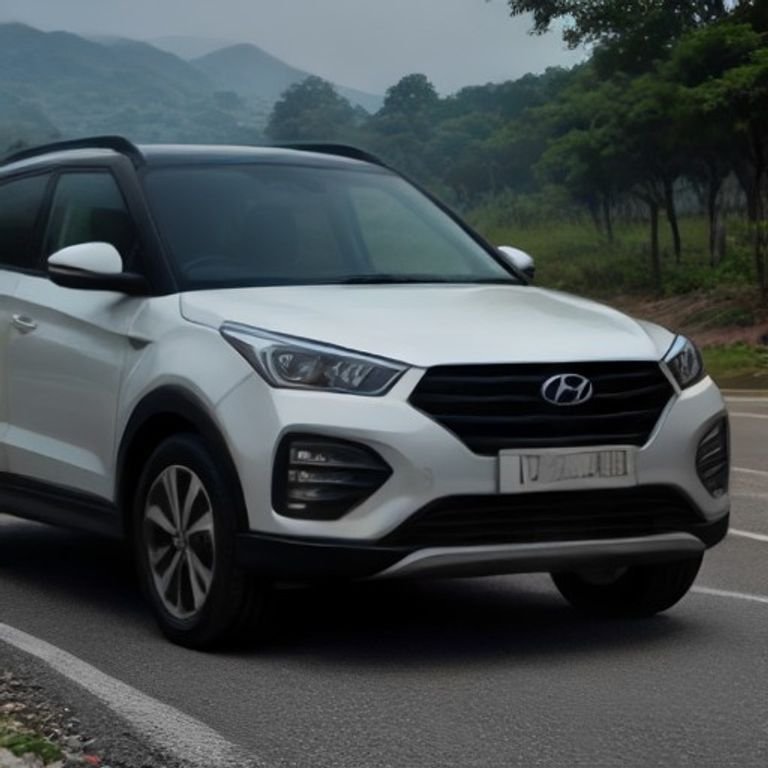
Hyundai Creta EV: India’s Next Big Electric SUV – Launch, Price, Range & Features Explored
Hyundai Creta EV: India's Next Big Electric SUV – Launch,…
Mahindra XUV.e9 Electric SUV: Range, Features, & Expected India Launch Details
Mahindra XUV.e9 Electric SUV: Range, Features, & Expected India Launch…
Maruti Swift 2026 India Launch: Prices, Specs & ADAS Features Confirmed
Maruti Swift 2026 India Launch: Prices, Specs & ADAS Features…